Solar energy for rural electrification in Africa
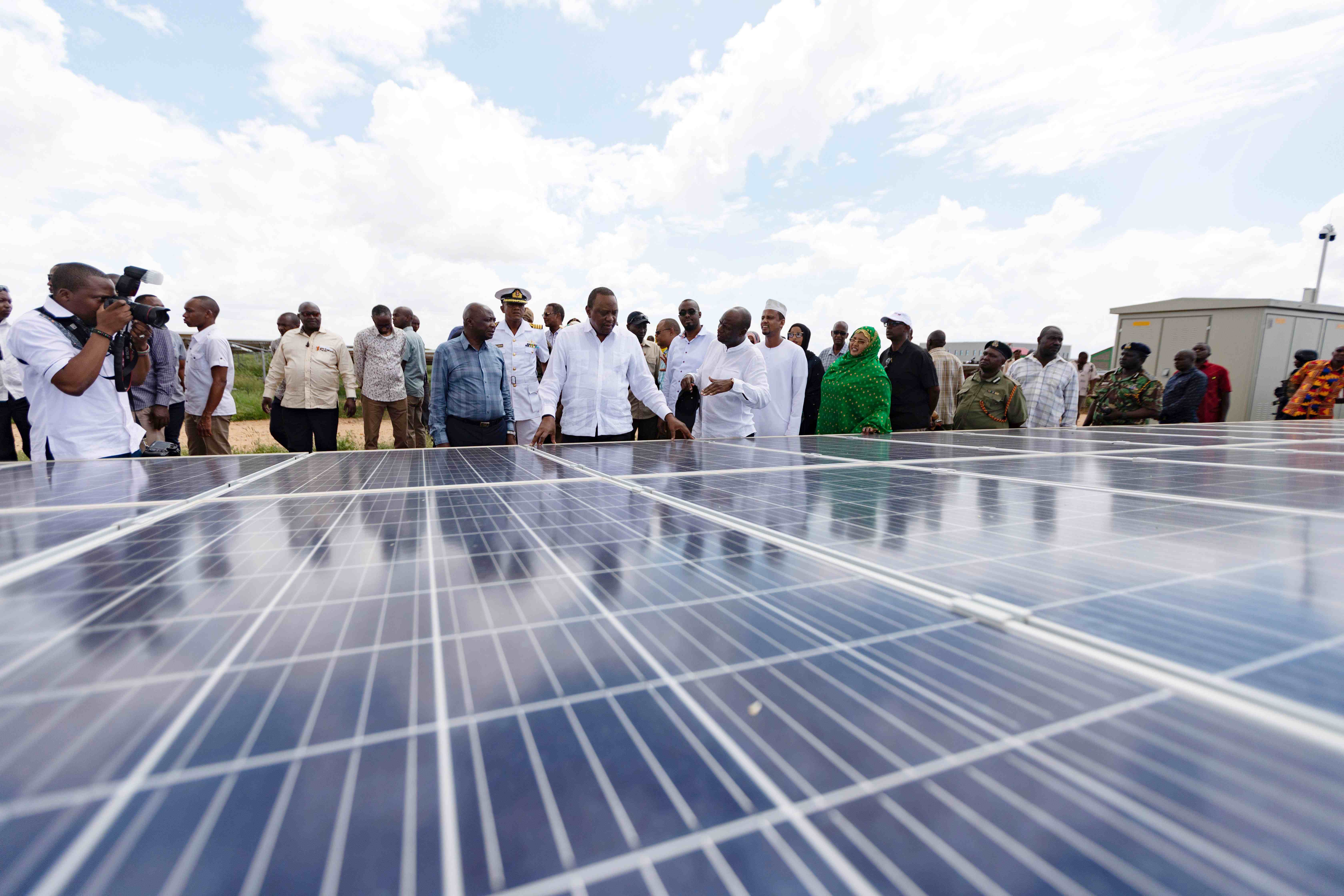
Across the countryside, where a third of the population lives, the lines that extend the grid run ragged to deliver gleaming electricity to the city. Solar power is proving a revolutionary off-grid solution that avoids large capital investment and instead empowers communities. Unlike conventional grid expansion, solar systems can be installed rapidly, expanded gradually and serviced locally — all perfect for off-the-grid places.
Written by those serving rural areas, and taking a fresh look at what solar can offer rural electrification, this article examines unconventional advantages, new business models, and what it means to be future-ready, and moves the conversation beyond the usual financial and environmental considerations.
1. Beyond Light Bulbs: Unexpected Uses of Solar in Rural Areas.
A. Solar cold storage for farmers
Problem: Without refrigeration, up to 40% of crops spoil before arriving at markets.
Solution: Solar cold storage units help farmers by allowing them to store perishables, decreasing waste and increasing income.
Example: In India, a Solar tech company offers smallholder farmers a mobile solar-powered cold room.
B. Digital Education with Solar Power
Problem: Schools in remote villages cannot access electricity to power computers or the internet.
Solution: Solar-powered digital classroom with tablets and projectors.
Impact: Students in Nigeria and Rwanda can now use e-learning platforms without being grid-connected.
C. Solar Water Purification
Problem: Dirty water leads to illness in remote areas.
Solution: Clean drinking water with solar-powered UV filtration and desalination.
Case Study: A company is helping install solar water farms in Kenya, producing 70,000 liters of clean water each day.
2. Disruptive Solar Business Models Changing Rural Economies.
A. Community-Owned Solar Co-operatives
Model: Villagers invest together in solar microgrids and share profits.
Example: Solar irrigation pumps are owned and operated by co-operatives in Bangladesh, which has resulted in diesel savings of 80%.
B. Solar Leases to Low-Income Families
How It Works: Instead of purchasing solar outright, families lease low-cost solar systems every month.
Impact: Leased solar systems from firms are powering more than 200,000 households in Tanzania.
C. Agri-Solar Hybrid Systems
Idea: Lay solar panels above crops to generate power while providing shade that would help crops thrive.
One Success Story: Japan’s solar-sharing farms raise land productivity by 20%.
3. Cutting-Edge Solar Technologies for Remote Areas.
A. Floating Solar Farms
Pros: Utilizes water bodies (such as ponds, lakes), not land, which is scarce.
Example: A floating solar farm in Malawi energizes an entire fishing community, while also cutting evaporation.
B. Solar Nanogrids With AI Optimization
How It Works: AI tweaks energy distribution in real time, as it's needed.
Impact: Nanogrids developed by a company in India reduce costs by 30% with smart algorithms.
C. Solar Electric Mobility
Application: Solar-powered e-bikes and rickshaws replace diesel vehicles for transport.
Case Study: Solar-powered bikes and battery-swapping stations in Uganda.
4. The Next Frontier: What’s Coming in Rural Solar Electrification?
Solar + Hydrogen Storage: We can store solar energy by converting it into hydrogen, which we can store for long-term use.
3D-Printed Solar Components: We can even get the low-cost solar parts manufactured locally, which will boost the economy on a local level.
Drone-Based Solar Maintenance: We can utilize a flying drone to inspect and clean solar panels remotely.
Solar-powered 5G connectivity: In the off-grid areas where high-speed internet is a dream, we can bring high-speed internet through solar energy.
Conclusion
Solar energy is no longer just about providing light—it’s revolutionizing agriculture, education, healthcare, and transportation in rural areas. With innovative business models, next-gen technologies, and community-driven approaches, solar is breaking barriers that traditional electrification couldn’t.
The future of rural power isn’t just about connecting to the grid—it’s about leapfrogging it entirely with smarter, cleaner, and more resilient solar solutions.
Bridging Technology and Industry Needs: SVC Welcomes Clients for Collaborative Visit
SVC showcases another new installation case in Kenya
Related Article