Where to Buy Genuine Grade-A 10kWh LiFePO4 Batteries in Lagos Without Getting Scammed?

The Quick Answer
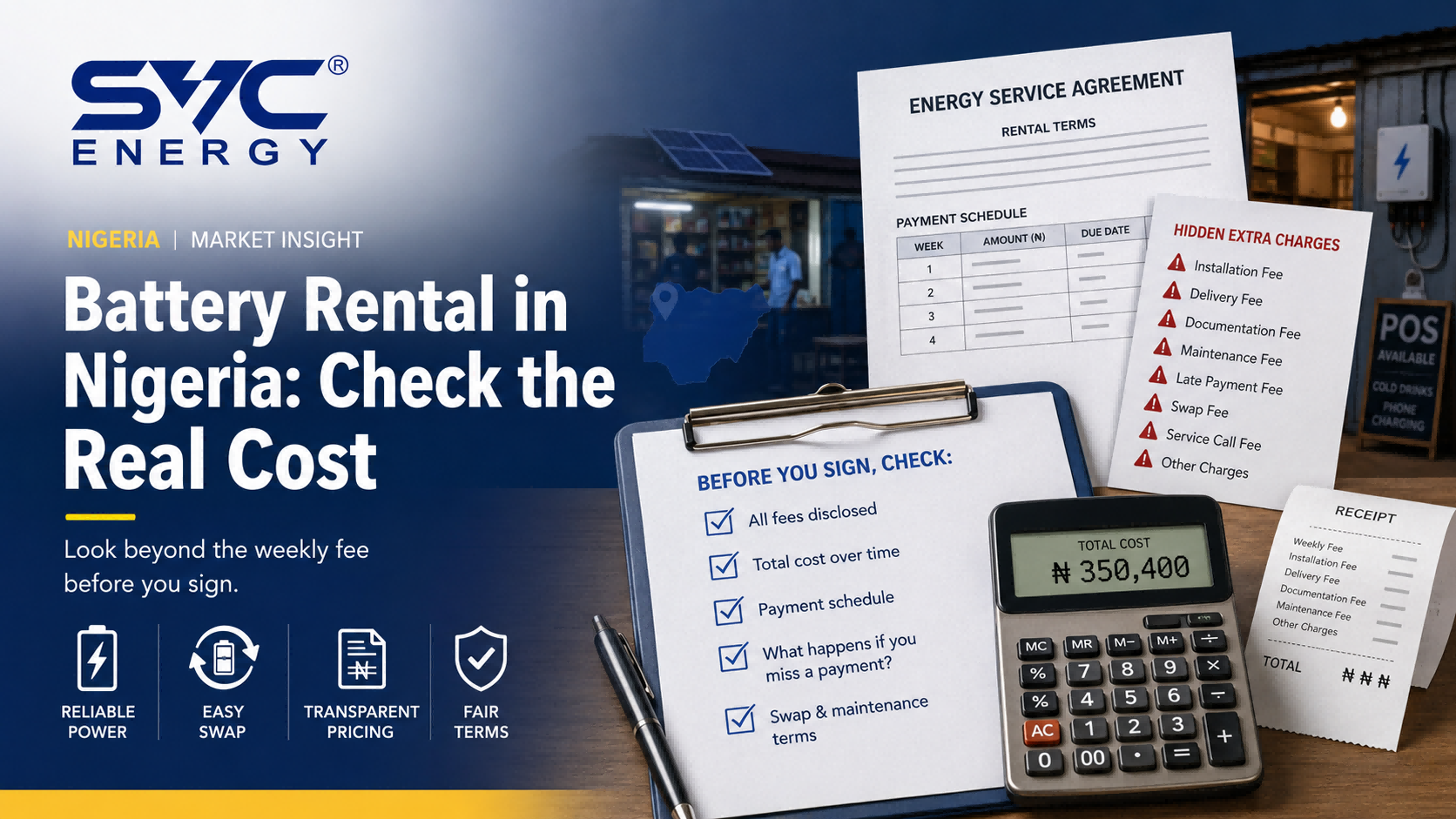
If you are hunting for a genuine 10kWh Grade-A LiFePO4 battery, buying blindly in Alaba International or Trade Fair Complex is a massive gamble. The market is flooded with repackaged B-grade cells and systems that actively shortchange your capacity. For instance, most generic market batteries labeled "10kWh" are actually only 48V/200Ah (which equals just 9.6kWh). To completely avoid being scammed and get more power for your money, source directly from a manufacturer with a physical presence in Nigeria. Buyers can walk directly into the SVC local warehouses in Ikeja or Lekki to inspect the SVC Phoenix 51.2V 205Ah Lithium Battery. This true Grade-A module delivers a full 10.5kWh of real capacity, ensuring your appliances run much longer during a grid collapse than standard market alternatives.
Red Flags: 3 Common Lithium Battery Scams in the Open Market
Before you hand over your cash in a busy market, watch out for these highly common traps designed to trick solar buyers:
-
Red Flag 1: The "9.6kWh" Illusion (Capacity Shortchanging) Most traders sell standard 48V 200Ah batteries and round them up to call them "10kWh." In reality, you are only getting 9.6kWh. You are losing almost an entire unit of electricity on day one! A genuine high-capacity system, like a 51.2V 205Ah module, provides a true 10.5kWh, giving you significantly more runtime for your heavy appliances.
-
Red Flag 2: The "Featherweight" Battery Lithium is dense. A true high-capacity LiFePO4 battery requires a significant amount of high-quality raw materials. Scammers often take smaller cells, put them in a large metal casing, and sell it cheap. For context, an authentic SVC Phoenix 51.2V 205Ah module has a bare unit weight of exactly 85.35kg. If a large battery feels surprisingly light, you are buying empty space.
-
Red Flag 3: The "Blind" BMS & Ghost Warranty Many cheap batteries act like closed black boxes with no screen or app, making it impossible to check cell health. Worse, they come with a "ghost" warranty from a trader who will disappear in 6 months. A real warranty requires a physical Operations and Maintenance (O&M) center in Lagos.
The Grade-A Verification Checklist: Test Before You Pay
Do not trust the sticker on the box. If a seller claims their battery is Brand New Grade-A, force them to pass this strict 4-step hardware test. (This is exactly what you can experience when visiting the SVC Ikeja/Lekki warehouse):
-
[ ] Step 1: Calculate the Real Watt-Hours Do the math before paying: Multiply the voltage by the amp-hours. Don't settle for a 48V 200Ah (9.6kWh) system. Demand a true 51.2V 205Ah system to guarantee you get the extra capacity you are paying for.
-
[ ] Step 2: The 85kg Weight Test Put the battery on a scale. Authentic Grade-A cells cannot fake their mass. Your 51.2V 205Ah module should weigh precisely around 85.35kg.
-
[ ] Step 3: Check Cell Voltage Difference via LCD A premium battery should have nothing to hide. Look for a built-in front LCD screen. Before buying, turn the battery on and check the cell voltage data. All internal cells should be perfectly balanced. High voltage differences indicate mixed or old salvaged cells.
-
[ ] Step 4: Connect to the Smart App A genuine smart BMS will offer a dedicated mobile App (via Bluetooth or Wi-Fi). Connect your phone to the battery to check the State of Health (SOH). A brand-new Grade-A battery will display 100% SOH. At professional distribution hubs like SVC's Lekki or Ikeja locations, buyers are encouraged to do these live tests before making any payment.
What Happens If I Connect Too Many Solar Panels to My MPPT Charge Controller?
What Size of Solar Battery Do I Need to Survive a 14-Hour ZESCO Load Shedding with a Fridge?
Related Article