What is Dual MPPT Hybrid Inverter?
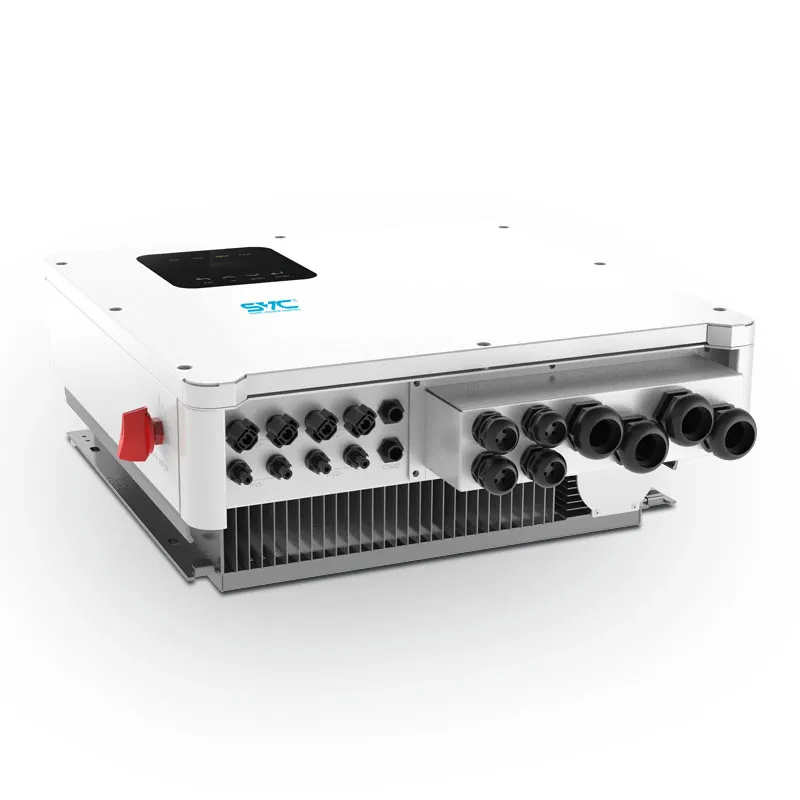
What is Dual MPPT Hybrid Inverter?
Dual MPPT Hybrid Inverter is a device that converts direct current (DC) from solar panels into alternating current (AC) for the grid or a battery. It has two independent maximum power point trackers (MPPTs) that can optimize the power output of two different solar arrays. This allows for more flexibility and efficiency in system design and performance. Using a 2 MPPT Hybrid Inverter is a great way to increase the power output of your solar panels.
What are the advantages of dual MPPT?
Dual MPPT stands for Dual Maximum Power Point Tracker. It is a feature of some solar inverters that allows them to optimize the power output of two different solar arrays. Some of the advantages of dual MPPT are:
• Dual MPPT solar inverter allows you to connect arrays with different orientations, tilts, lengths, or modules, which increases the design flexibility and efficiency of your system.
• Dual MPPT solar inverter reduces the need for combiner fusing, which saves you money and installation time.
• Dual MPPT solar inverter provides better monitoring granularity, which helps you track the performance and troubleshoot any issues of your system.
Dual MPPT solar inverter is a great option for solar systems that have complex or irregular roof shapes, shading issues, or different types of modules. It can help you maximize the energy harvest and profitability of your solar investment.
Do Hybrid Inverters Need MPPT?
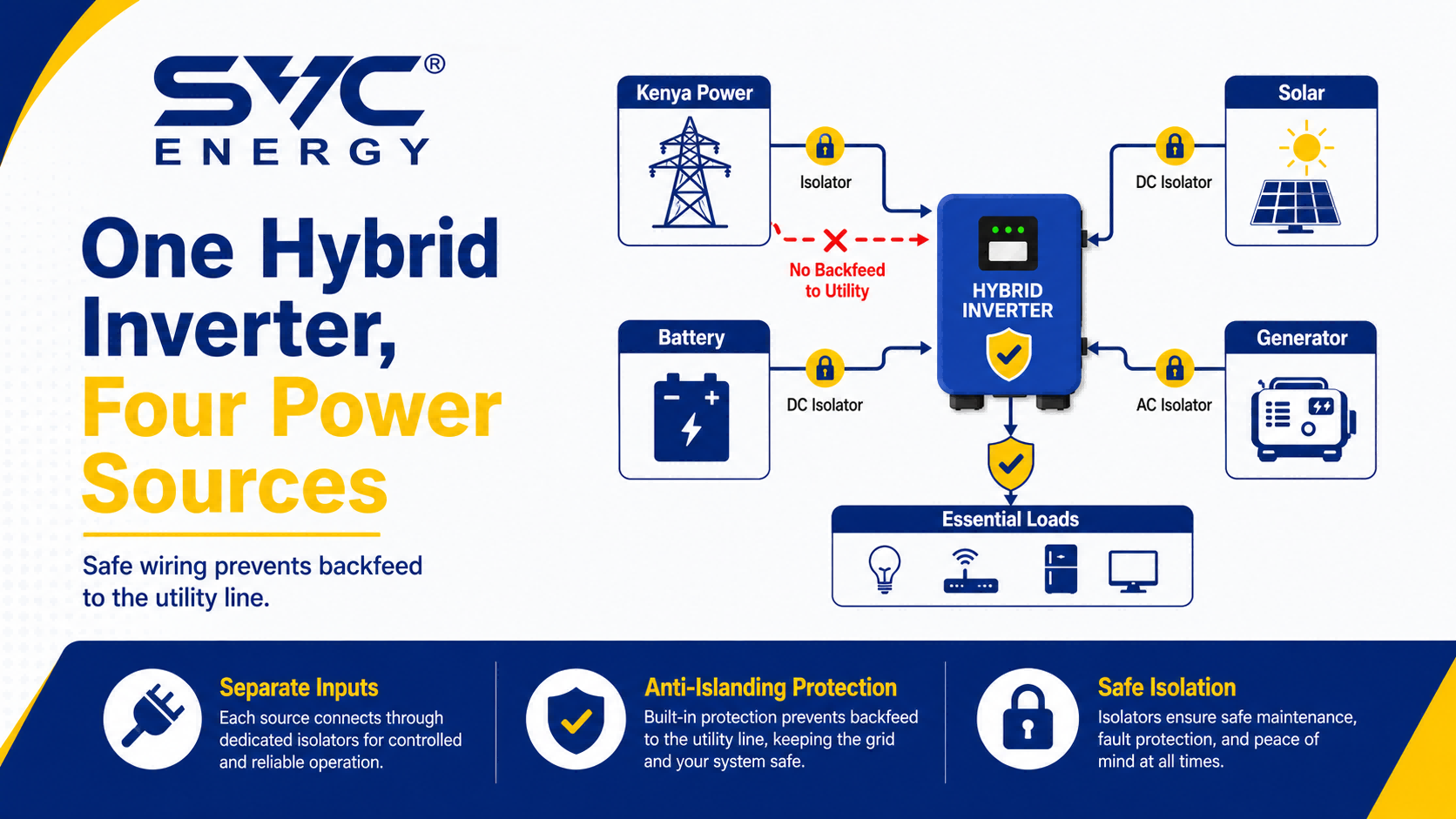
Hybrid Inverters are devices that can manage power from solar panels, batteries, and the grid simultaneously. They usually have a built-in solar inverter (MPPT). MPPT stands for Maximum Power Point Tracking, which is a feature that optimizes the power output of solar panels.
What is the difference between single MPPT and dual MPPT ?
Single and dual MPPT are two types of Maximum Power Point Trackers (MPPTs) that are used in solar inverters to optimize the energy output of the solar panels. MPPTs are electronic devices that adjust the voltage and current of the solar panels to match the maximum power point (MPP), which is the point where the panels generate the most power.
The main difference between single and dual MPPT is that single MPPT has only one input channel, while dual MPPT has two input channels. This means that single MPPT can only connect to one string of solar panels, while dual MPPT can connect to two strings of solar panels. A string is a series of solar panels that are wired together.
The advantage of dual MPPT is that it can handle different orientations, tilts, lengths, and types of solar panels more effectively than single MPPT. This is because dual MPPT can track the MPP of each string independently, while single MPPT can only track the MPP of the whole array. Dual MPPT can also cope better with shading issues, as it can isolate the shaded string from the unshaded one and prevent power loss.
The disadvantage of dual MPPT is that it is more expensive and complex than single MPPT. It also requires more wiring and installation time. Dual MPPT is typically used for larger and more complicated solar systems, while single MPPT is more suitable for smaller and simpler solar systems.
To summarize, single and dual MPPT are two types of MPPTs that differ in the number of input channels they have. Single MPPT has one input channel and can connect to one string of solar panels, while dual MPPT has two input channels and can connect to two strings of solar panels. Dual MPPT offers more flexibility and efficiency, but also more cost and complexity, than single MPPT.
We have dual MPPT Inverter with three phase, please find more information about SVC SIH Series: //www.svcenergy.com/products/three-phase-hybrid-inverter.html
Do you really understand the MPPT of the inverter?
The difference between off-grid and on-grid solar energy
Related Article