Data is empty
    0
    qr Code Url

    Scan qrcode to view mobile website

    Member Center
    Exit


    Home /News /Industry News /What Factors Affect the Life of Solar Inverters? /

    What Factors Affect the Life of Solar Inverters?

    author: SVC ENERGY
    2024-04-10

    Solar inverters are devices that convert direct current (DC) from solar panels into alternating current (AC) that can be used by appliances or fed into the grid. They are essential components of any solar power system, but they also have a limited lifespan and can degrade over time. What factors affect the life of solar inverters, and how can you extend their longevity? In this blog post, we will explore some of the main factors that influence the lifespan of solar inverters,

    Manufacturing Quality

    The quality of the components, materials, and design of the solar inverter can influence its durability and performance. Higher quality inverters tend to last longer and have fewer failures than lower quality ones. SVC Power is the Solar Inverter Manufacturer with 20+ experience, get free quotation.

    Internal Temperature of Solar Inverter

    The internal temperature of the inverter is one of the key factors that affect how well and how long your solar inverter works. The higher the internal temperature, the lower the performance and the shorter the life of your solar inverter.

    Many components inside the solar inverter are sensitive to temperature changes, such as the capacitor. The capacitor is an important part of the solar inverter. For every 10 degrees increase in the surrounding temperature, the capacitor’s life is cut in half. If you keep your solar inverters in places that don’t have good ventilation or that get direct sunlight, they might overheat.

    To make your solar inverter last longer, install it in a place that has good airflow and that stays away from direct sunlight and hot areas like boilers, electric stoves, or air conditioner vents.

    Input Voltage and Current of Solar Inverter

    The input voltage and current of the inverter also affect how long it lasts. The higher the voltage or current, the faster the parts wear out. When the power of the part is fixed, the voltage of the part in series shouldn’t be too high or too low.

    Keep the voltage of the part in series close to the inverter’s rated voltage. For example, if the input voltage range is 200-1000V, it means that the inverter can work normally if the input voltage is in this range.

    By keeping the input voltage of the solar inverter within the recommended ranges, you can avoid system failures and also improve the lifespan and performance of your inverter battery for home. But even if the input voltage is in the given range, the lifespan of solar inverters will vary depending on the input voltage.

    External Environment of the Solar Inverter

    The external environment of the inverter is also very important. Installing inverters in a clean environment makes them last longer.

    If the external environment is very polluted or dusty, then you should install solar inverters in a closed space. This is because dust, leaves, or sand can fall on the radiator or into the air pipe of the inverter and affect its heat dissipation function.

    A solar power inverter can be installed inside or outside. Indoor solar inverters are usually cheaper than outdoor inverters. This is because outdoor inverters can withstand harsh weather conditions like rain and extreme heat.

    But they should be installed in a sheltered space, away from direct sunlight because it can make solar power inverters fail or shorten their life. To run a solar inverter efficiently, you will also need a solar battery. Consider a genus inverter battery for its high performance, low maintenance, corrosion resistance, and fast recharging.

    Maintenance and Cleaning

    Solar inverters are often kept in outdoor places, so it is very important to check on them regularly and keep them clean and free of dust and debris. Regular cleaning and inspection can prevent the electrical parts, heat sinks, and vents from getting clogged or damaged.

    It is also very important to keep good ventilation to prevent overheating. Also, monitor your inverter closely every few months. Make sure there are no changes or problems around the device. If you find any visible damages, ask your solar provider to fix them.

    Fault Codes

    Solar inverters can also get fault codes sometimes. These fault codes help you find out what problems are happening in your inverter. If you don’t fix small issues, they can get worse and cause your inverter to fail early.

    Conclusion

    Since solar inverter are one of the important devices that help user use and store solar power, understanding the factors that affect their lifespan, and by choosing and caring for them properly are necessary. In the blog post, we have discussed some of the main factors that influence the lifespan of solar inverters, such as quality of manufacturing, operational load, environmental conditions, and maintenance practices.

    Share:

    Global trends in solar and storage

    Related Article

    image
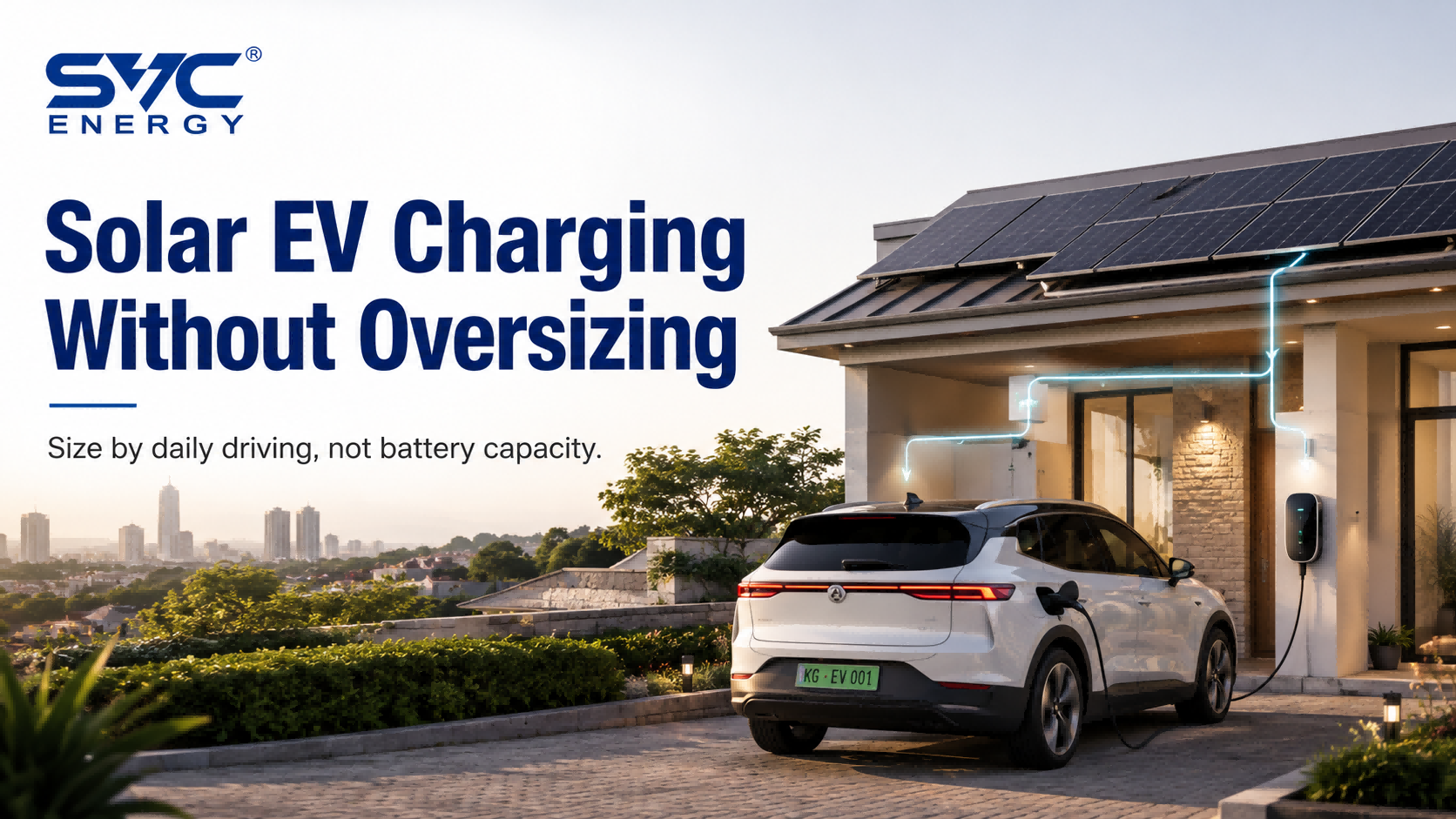
    A practical sizing guide for Kenyan EV owners who want to reduce home charging costs with rooftop solar and battery storage without paying for unnecessary capacity.
    Can a Kenyan EV Owner Use Rooftop Solar and a Home Battery Without Oversizing the System?
    2026-07-24
    image
    A practical evidence checklist for Zambian solar-battery owners preparing a warranty claim, covering fault logs, capacity testing, installation records, photos and consumer complaint options.
    What Test Results Should You Collect Before Making a Solar Battery Warranty Claim in Zambia?
    2026-07-24
    image
    A practical guide for Nigerian households comparing solar loans, pay-as-you-go plans and outright purchases, including total-cost calculations, ownership terms, warranties and battery replacement risks.
    How Can Nigerian Families Compare a Solar Loan or PAYG System With Buying Outright?
    2026-07-24
    image
    A practical guide for Kenyan businesses to use solar, inverter and battery monitoring data to spot faults before they interrupt operations.
    What Monitoring Data Should a Kenyan Business Review Before a Solar-Battery Fault Becomes Downtime?
    2026-07-17

    ABOUT SVC


    • Who we are

    • Our Misison

    • Key Events

    SOLUTIONS


    • For Home

    • For Business


    PRODUCTS


    • Energy Storage Inverter

    • Lithium Battery Pack

    • C & I Energy Storage System

    SUPPORT


    • Installation Support

    • Files Download

    • FAQ

    SiteMap

    © 2023, Nomads Powered by Joinf Yue ICP Bei No. 12019139 Yue Gong Wang An Bei No. 44030502001115

    (439639)
    0