How to Save ZESCO Prepaid Units When Using an Inverter and Solar Battery at Home

Direct Answer
To save ZESCO prepaid units when using an inverter and solar battery at home, do not let the battery charge mainly from the ZESCO grid. The better approach is to charge the battery from solar during the day, use the battery for essential loads during outages or at night, and keep ZESCO as backup power only when solar energy is not enough.
Why Your ZESCO Units May Finish Faster With an Inverter
An inverter does not automatically reduce electricity use. If the inverter charges the battery from ZESCO power every time the grid returns, your prepaid units will still be consumed. In some homes, units appear to finish faster because the system is charging the battery, running household loads, and losing some energy during conversion.
This is especially common when the whole house is connected to the inverter. Heavy appliances such as geysers, kettles, irons, pumps, electric stoves, and air conditioners can drain the battery quickly. Once the battery drops, the inverter may start using ZESCO power again to recharge it.
Use Solar First, Then Battery, Then ZESCO
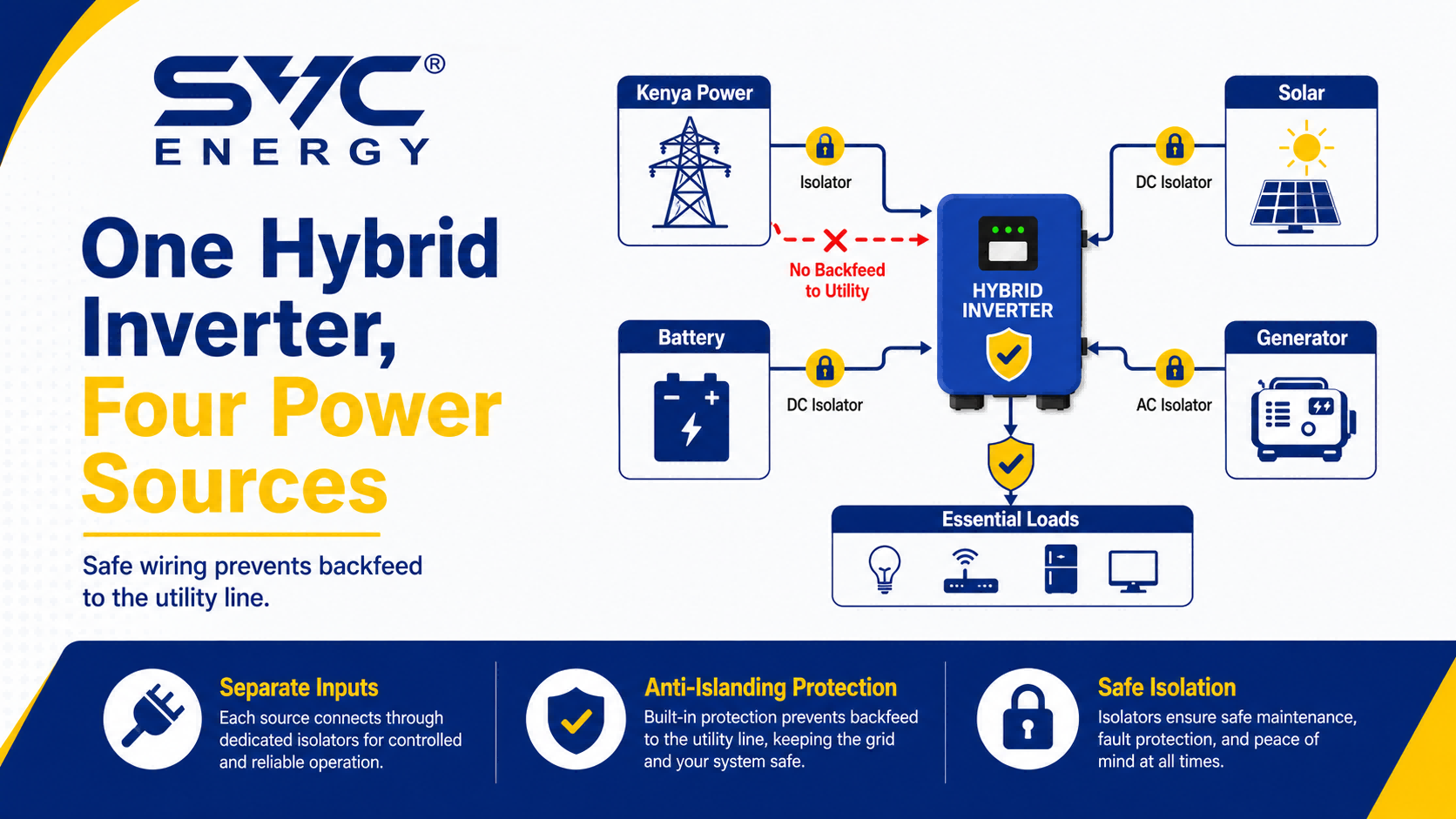
For most homes in Zambia, the best setup is solar-first operation. During the day, solar panels should run daytime loads and charge the battery. In the evening or during load shedding, the battery should supply essential appliances. ZESCO should be used as backup, not as the main charging source.
Ask your installer to check the inverter’s working mode. Many hybrid inverters allow users to set source priority, charging priority, and battery reserve levels. The correct setting depends on the inverter brand, battery type, solar panel capacity, and household load, but the goal is the same: use free daytime solar energy before using prepaid grid units.
Keep Only Essential Loads on Backup Power
One of the easiest ways to save ZESCO units is to separate essential and non-essential loads. Essential loads usually include lights, WiFi, TV, phone charging, laptops, fridge, and security devices. These are suitable for battery backup because they do not consume too much power.
Heavy loads should be managed carefully. A geyser, kettle, stove, iron, pump, or air conditioner can use more power than several essential appliances combined. If these loads are connected to the inverter circuit, the battery may drain quickly and trigger more grid charging.
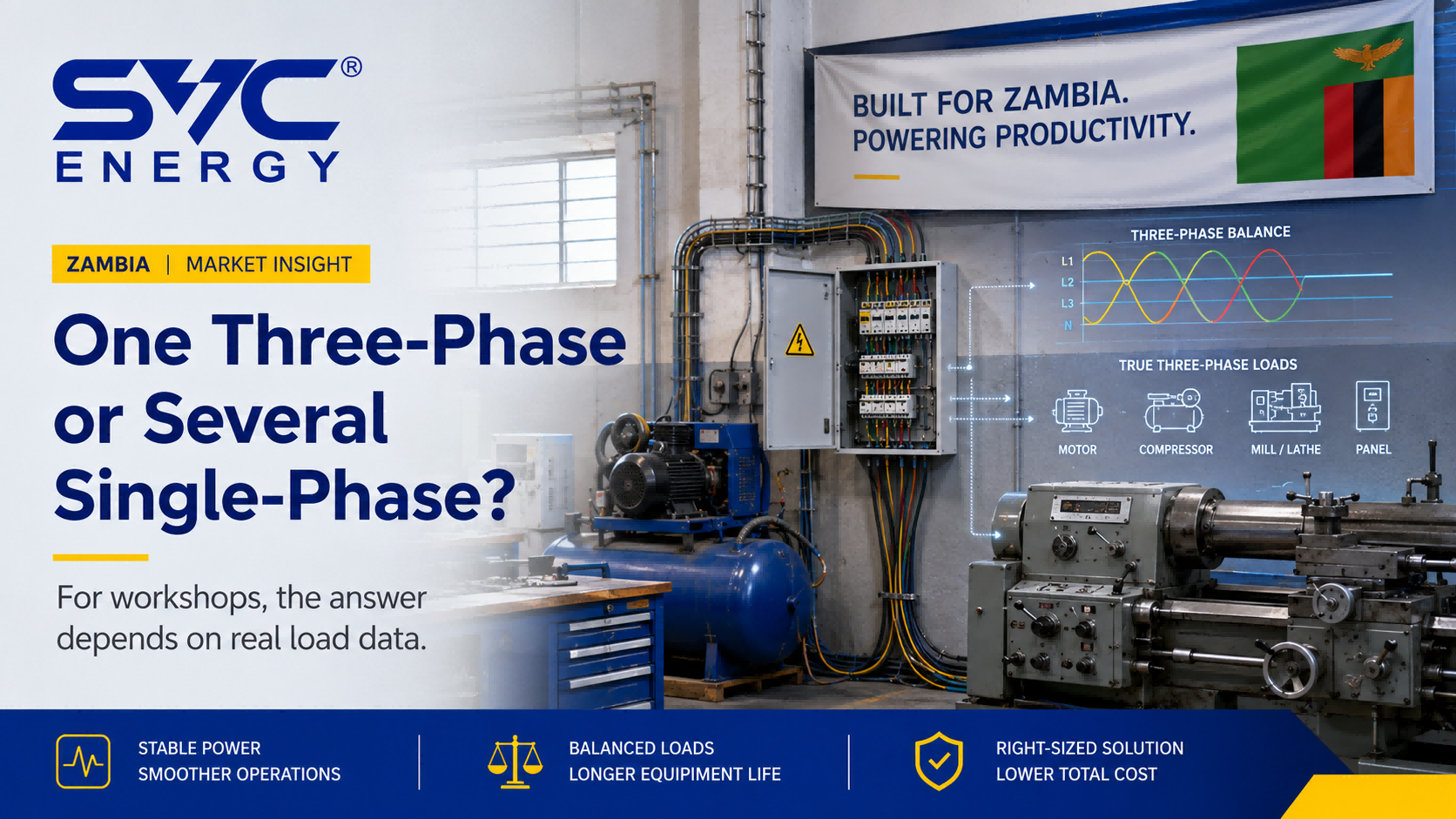
For many Zambian homes, a practical solution is to keep essential appliances on the inverter and leave heavy appliances on a separate circuit. This helps the battery last longer and reduces unnecessary ZESCO charging.
Charge the Battery During Sunny Hours
If you have solar panels, try to make the battery reach a healthy charge level before evening. Late morning to afternoon is usually the best time to charge from solar, depending on weather and panel installation.
Avoid relying on ZESCO to refill the battery at night unless you really need backup for critical appliances. If the battery charges from ZESCO at night and discharges later, you are still using prepaid units, with extra conversion losses.
Use Battery Monitoring to Find the Problem
A smart battery system can help homeowners understand where power is going. SVC LiFePO4 battery systems include smart BMS protection and monitoring support, helping users track battery status and improve daily energy habits.
If your battery drains too fast, check the load before assuming the battery is faulty. The issue may be oversized appliances, wrong inverter settings, weak solar charging, old lead-acid batteries, or poor wiring.
When a Bigger Battery Makes Sense
A bigger battery can help, but only if the solar panels and inverter settings are matched correctly. For homes that need longer backup for fridge, lights, WiFi, TV, and occasional larger loads, an SVC 10.5kWh lithium battery or a 6kW + 10.5kWh all-in-one system may be more suitable than a small backup kit.
The benefit is not just more capacity. A well-matched lithium battery system can support better solar use, clearer monitoring, and more stable backup during ZESCO outages.
Simple Homeowner Checklist
Before upgrading your system, check these points:
- Is the inverter set to prioritize solar charging?
- Is the battery charging too often from ZESCO?
- Are heavy appliances connected to the backup circuit?
- Is the solar panel capacity enough to recharge the battery during the day?
- Is the battery too small for your actual household load?
- Can your inverter or battery app show charging source and load usage?
- Has the installer separated essential loads from high-power appliances?
Conclusion
Saving ZESCO prepaid units with an inverter and solar battery is mainly about how the system is configured and used. A solar-first setup, proper load separation, smart battery monitoring, and careful use of heavy appliances can help Zambian households reduce unnecessary grid charging and make backup power more predictable.
How to Reduce KPLC Token Costs With Solar Battery Backup at Home in Kenya
What Solar Battery System Can Run a Rural Kenyan Home, Water Pump and Security Lights Off-Grid?
Related Article