Which Solar Battery Packages Should Nigerian Distributors Prepare for Homes, Clinics and Phone Charging Shops?

Direct Answer
For Nigeria, distributors should not prepare one “universal” solar battery package for every buyer. Homes, clinics and phone charging shops need different backup systems. A practical distributor product mix should include small all-in-one backup systems for entry homes and charging shops, 8kWh to 10.5kWh systems for family homes and small businesses, and 16kWh lithium battery packages for clinics, pharmacies, cold drink shops and buyers who need longer backup.
The key is to sell by load scenario, not only by battery size.
Why These Three Buyer Groups Matter in Nigeria
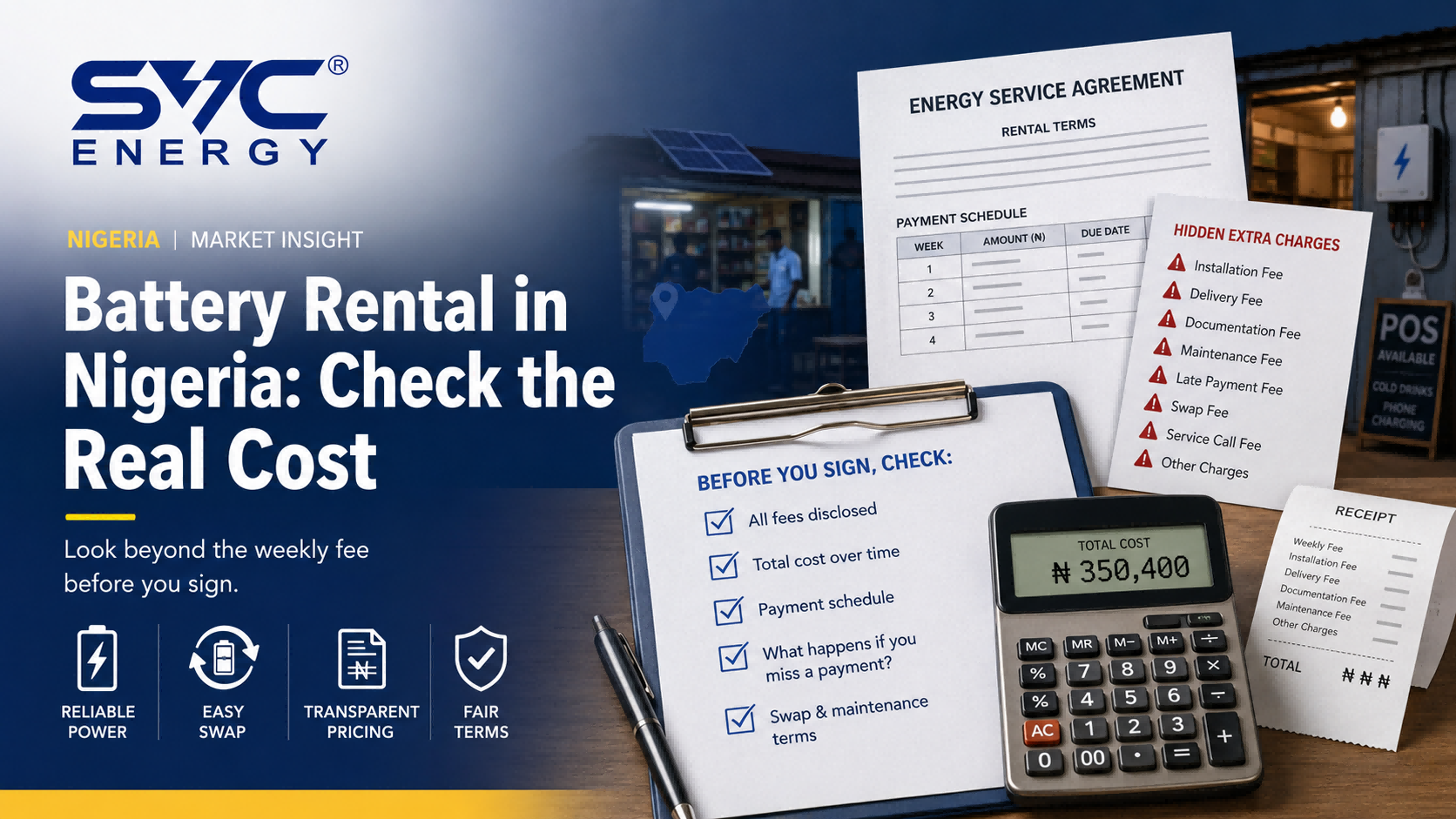
Nigeria’s backup power demand is practical and immediate. Many homes still need basic lighting, fans, phone charging and Wi-Fi during outages. Clinics need reliable power for night service, lighting and medicine refrigeration. Phone charging shops and small retailers need low-cost backup that can keep devices, lights and small equipment running without spending heavily on fuel.
Recent reporting on solar microgrids in rural Nigeria shows this clearly. In Baruten, solar power has helped clinics avoid working in darkness, supported small pharmacies, enabled shops to run refrigeration, and reduced dependence on expensive generator fuel. The same report also notes a real market pressure: as more people use solar power, panel and battery capacity can become insufficient if systems are not planned for growing demand.
That is the distributor’s opportunity: prepare packages that match real load behavior, not just attractive catalog names.
Package 1: Entry Home Backup for Budget Households
For budget households, the first product should be simple, affordable and honest about its limits.
Best-fit buyer:
A small home that needs lights, phone charging, fan, router, small TV or basic evening backup.
Recommended package direction:
An entry all-in-one solar generator or compact backup system.
Relevant SVC match:
SVC 1.2kW + 4kWh solar generator.
Why it fits:
This type of system is easier to explain to first-time buyers. It combines inverter and battery functions in one unit and is suitable for essential loads, not whole-house backup. It can help buyers who are replacing candles, flashlights, small petrol generators or paid phone charging.
How distributors should position it:
“This is for essential backup: lights, charging, router, fan and small loads. It is not for kettle, iron, heater, pump or full-house AC.”
This honesty matters. If distributors oversell a small system, after-sales complaints will follow quickly.
Package 2: Family Home Backup for Middle-Class Buyers
Middle-class Nigerian homes usually ask a different question. They want more comfort: fridge, freezer, fans, TV, router, lights and sometimes occasional AC.
Best-fit buyer:
A family home that wants stable backup for daily appliances but does not want complicated wiring or cross-brand inverter-battery problems.
Recommended package direction:
8kWh to 10.5kWh all-in-one system, or a hybrid inverter with 10.5kWh lithium battery.
Relevant SVC match:
SVC 3.6kW + 8kWh all-in-one system
SVC 6kW + 10.5kWh all-in-one system
SVC Phoenix 10.5kWh lithium battery with suitable hybrid inverter
Why it fits:
An all-in-one system is easier for many residential buyers because the inverter and battery communication are pre-matched. It reduces wiring complexity and is easier to present as a clean home backup solution.
The 10.5kWh battery option is useful when the distributor or installer wants more flexibility. SVC’s Phoenix 10.5kWh battery uses a 51.2V / 205Ah configuration, giving about 10,496Wh nominal energy. That makes it easier to explain real capacity to buyers comparing “10kWh” offers.
How distributors should position it:
“This is for homes that need longer backup than a small solar generator can provide, especially for fridge, fans, router, lights and TV. AC and pumps need separate sizing.”
Package 3: Clinic and Pharmacy Backup
Clinics and pharmacies are not normal home buyers. Their power needs may look small, but the risk is much higher.
Best-fit buyer:
Primary health center, small clinic, pharmacy, medicine shop or rural health facility.
Typical critical loads:
Treatment room lights
Medicine or vaccine fridge
Phone charging
Router or communication device
Small medical device
Fans
Security light
Recommended package direction:
16kWh lithium battery package with a properly sized inverter, or larger modular battery bank if the clinic has multiple refrigeration or medical loads.
Relevant SVC match:
SVC 16.08kWh LiFePO4 battery
SVC 10.5kWh lithium battery for smaller clinics with limited loads
SVC 6kW or 11kW hybrid inverter depending on load and surge requirements
Why it fits:
A clinic needs longer backup and better reserve than a basic home. Refrigeration loads, night service and emergency lighting should not depend on a tiny battery. SVC’s 16.08kWh battery uses a 51.2V / 314Ah configuration, includes smart BMS protection and is better suited to longer backup scenarios.
Important caution:
Distributors should not guarantee clinic runtime without a real load list. A medicine fridge, lighting, fans and medical equipment must be calculated separately. Actual runtime depends on appliance power, inverter efficiency, battery settings and charging conditions.
How distributors should position it:
“For clinics, size the system around critical loads first. Protect lighting, medicine refrigeration and communication before adding comfort loads.”
Package 4: Phone Charging Shops and Micro-Retail
Phone charging shops are a very Nigerian backup-power scene. The loads are often small, but the business depends on continuous availability.
Best-fit buyer:
Phone charging shop, small kiosk, POS/agent shop, barber corner, mini retail shop without refrigeration.
Typical loads:
Multiple phone chargers
LED lights
Small fan
Router
POS device
Small TV or radio
Recommended package direction:
Small all-in-one system for basic charging shops; 8kWh system if the shop runs longer hours, fans, router and extra devices.
Relevant SVC match:
SVC 1.2kW + 4kWh solar generator for entry charging shops
SVC 3.6kW + 8kWh all-in-one system for stronger micro-retail backup
Why it fits:
These buyers need low cost, easy explanation and simple installation. They may not be ready for a large hybrid system. The distributor should focus on uptime, safety and clear appliance limits.
How distributors should position it:
“This package is for charging phones, running lights, router, POS and fan. If you add a fridge or freezer later, upgrade the battery and inverter.”
Package 5: Cold Drink Shops and Small Retailers
Some small shops look similar to phone charging shops but have one major difference: refrigeration. A fridge or freezer changes the system size.
Best-fit buyer:
Cold drink seller, mini mart, pharmacy with fridge, provision shop, frozen food seller.
Recommended package direction:
10.5kWh to 16kWh battery package with inverter sized for compressor surge.
Relevant SVC match:
SVC Phoenix 10.5kWh battery for smaller fridge/shop backup
SVC 16.08kWh LiFePO4 battery for longer runtime or heavier refrigeration
SVC hybrid inverter with dual AC output where essential and non-essential loads need separation
Why it fits:
A fridge or freezer may not consume huge power every minute, but compressor startup can trip an undersized inverter. Shops also need enough battery to keep goods cold during long outages or evening business hours.
How distributors should position it:
“Once a shop has refrigeration, do not sell it like a phone charging shop. Check compressor surge, backup hours and whether the owner will add more fridges later.”
What Nigerian Distributors Should Avoid
Avoid stocking only the cheapest small systems. They may sell quickly, but they can create complaints if buyers expect full-house backup.
Avoid vague “10kW battery” claims. Buyers need battery voltage, Ah, nominal kWh, BMS and warranty details.
Avoid mixed inverter and battery packages with unclear communication settings. If the inverter cannot communicate properly with the battery BMS, charging and protection issues may appear.
Avoid selling clinic backup without asking for a critical load list.
Avoid selling freezer or pump backup without checking inverter surge power.
A Practical Stocking Ladder for Nigeria
A realistic Nigerian distributor ladder could look like this:
Entry backup:
1.2kW + 4kWh solar generator for basic homes and phone charging shops.
Small home and micro-retail:
3.6kW + 8kWh all-in-one system for lights, fan, router, TV, phone charging and small shop backup.
Family home:
6kW + 10.5kWh all-in-one system for homes needing stronger backup and cleaner installation.
Flexible installer package:
10.5kWh standalone lithium battery with suitable hybrid inverter for homes and shops that need custom system design.
Longer backup and critical loads:
16.08kWh LiFePO4 battery with suitable inverter for clinics, pharmacies, cold drink shops and heavier small-business backup.
This product ladder matches real buyer budgets and avoids pushing every customer into the same system.
Conclusion
Nigerian distributors should prepare solar battery packages around real use cases: essential home backup, family backup, clinic reliability, phone charging shops and refrigeration-based small businesses.
For homes, start with simple all-in-one backup and 8kWh to 10.5kWh systems. For clinics and pharmacies, prioritize reliability, critical-load sizing and 16kWh-class storage. For phone charging shops, keep the package simple and affordable. For cold drink sellers and provision shops, size around refrigeration and inverter surge.
The most successful distributor strategy is not to stock the biggest battery first. It is to stock the right ladder of products for Nigeria’s real backup-power buyers.
Where Should a Lithium Battery Be Placed in a Zambian House During Hot and Dusty Load-Shedding Season?
Can I Charge a Home Battery from the Grid Only If My Kenyan Apartment Cannot Install Solar Panels?
Related Article